

OT/IT Convergence and Industrial Cybersecurity
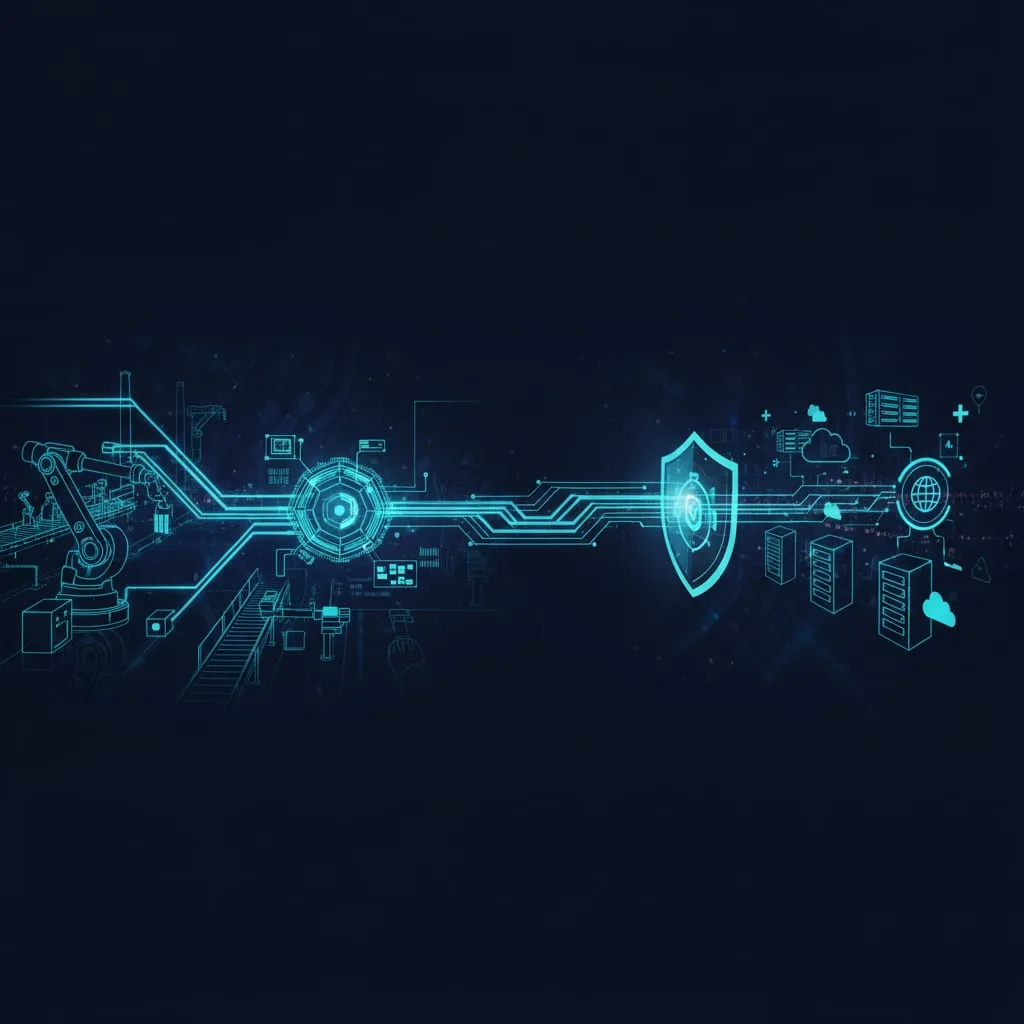
With Industry 4.0, the factory floor and enterprise network have intertwined. We explain the efficiency opportunities of this convergence and why OT security must be handled differently.
Read More
Technology insights, guides, and industry updates

With Industry 4.0, the factory floor and enterprise network have intertwined. We explain the efficiency opportunities of this convergence and why OT security must be handled differently.
Read More
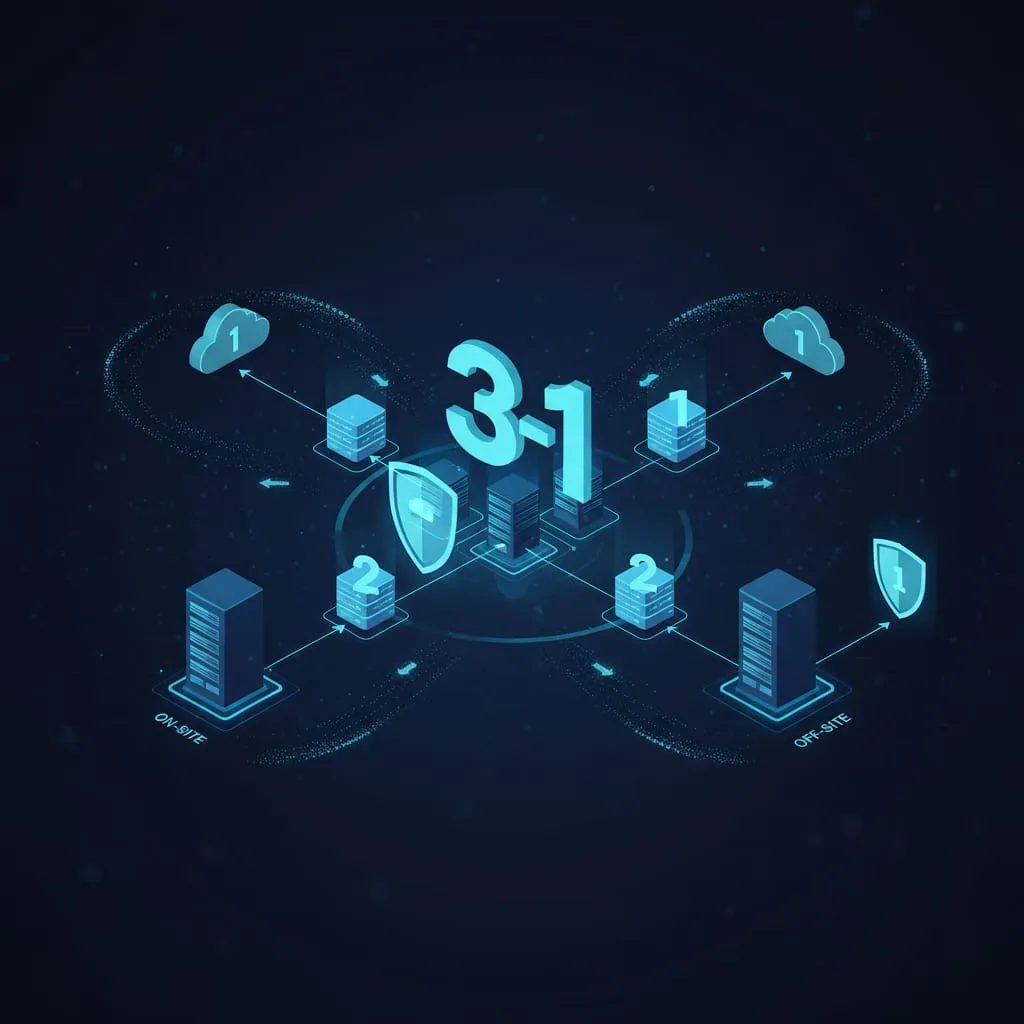
Taking backups is not enough; an untested backup is not a backup. We explain the modern 3-2-1-1 rule, RTO/RPO targets and a ransomware-resilient backup strategy.

The cloud offers flexibility but also brings uncontrolled bills. We explain how to make cloud costs visible and optimize them with a FinOps approach.

Cyber attacks now target the entire infrastructure, not a single point. We cover end-to-end, correlation-based threat management with SOC operations and XDR.

The network perimeter has dissolved; security now rests on 'who can access what, and when?'. We explain identity-based, verified access with Zero Trust and ZTNA.

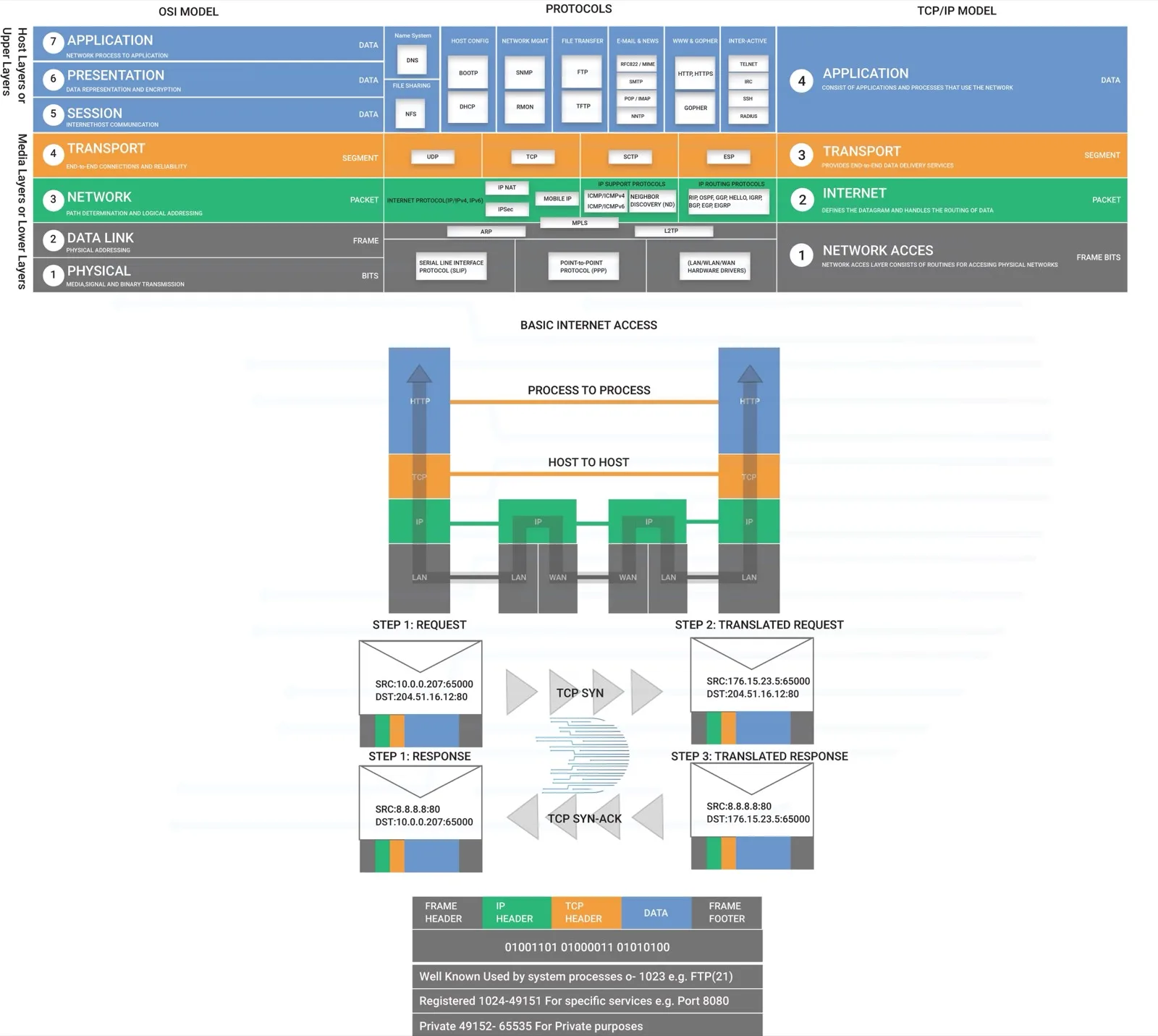
The OSI Model does not vary according to any type of hardware or computer network. The standard is unique and applied unchanged, divided into seven layers.

Intent-Based Networking is network software that helps increase network availability and plan and put networks into operation. It features machine learning and network orchestration systems.

802.1x is a standard that allows devices to be admitted to the network by performing access control on LAN connections. Cisco ISE is used in the role of authentication server.

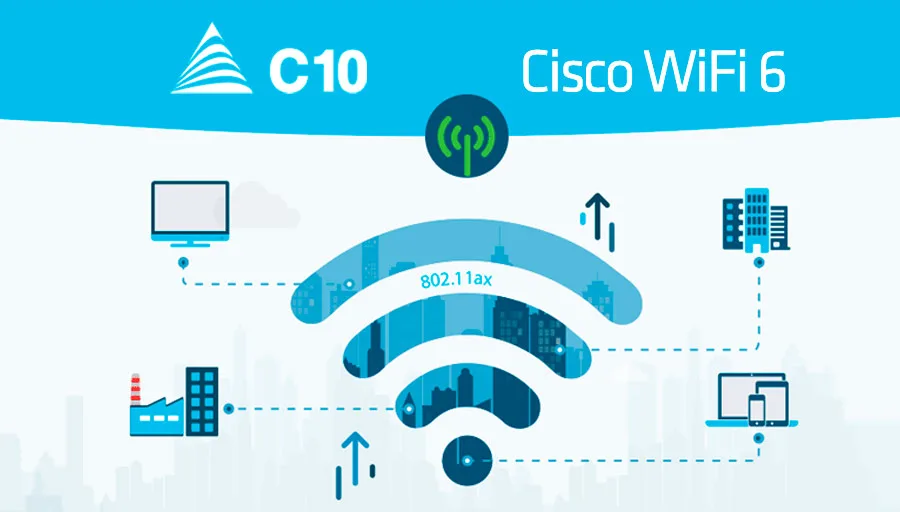
As wireless technology has become mandatory, the WiFi 6 standard has begun to spread. The growing number of devices and multimedia technologies require broadband, low latency and lower power consumption.

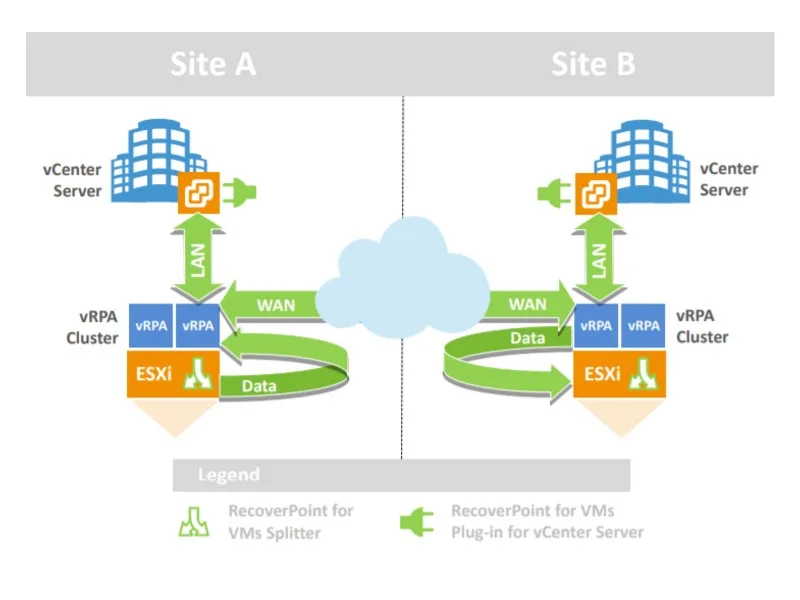
RecoverPoint for VM provides local replication or replication of the virtual servers in your Production environment to a Disaster environment. It protects your virtual servers so they can be recovered in the event of a disaster.

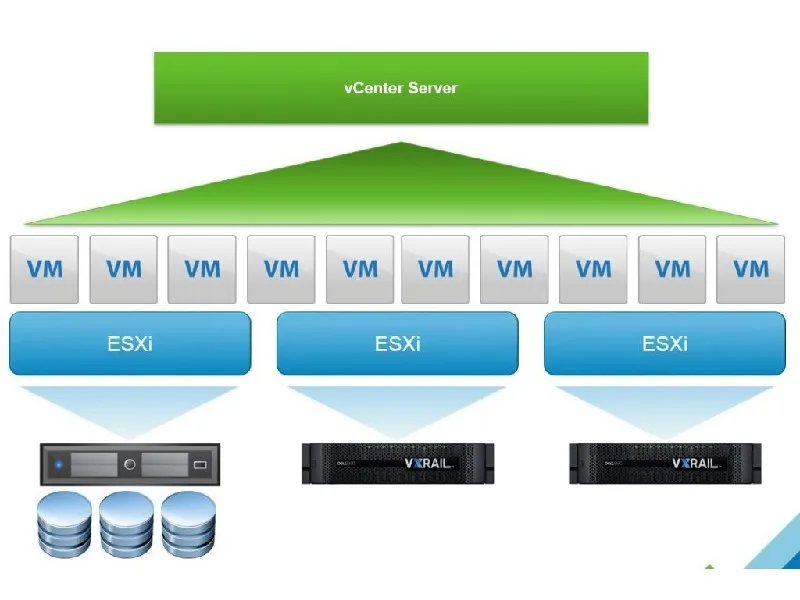
Hyper-converged infrastructure is a unified system that houses compute, storage and networking technologies in a single system. Hypervisors such as VMware, Hyper-V, KVM and Citrix are used.

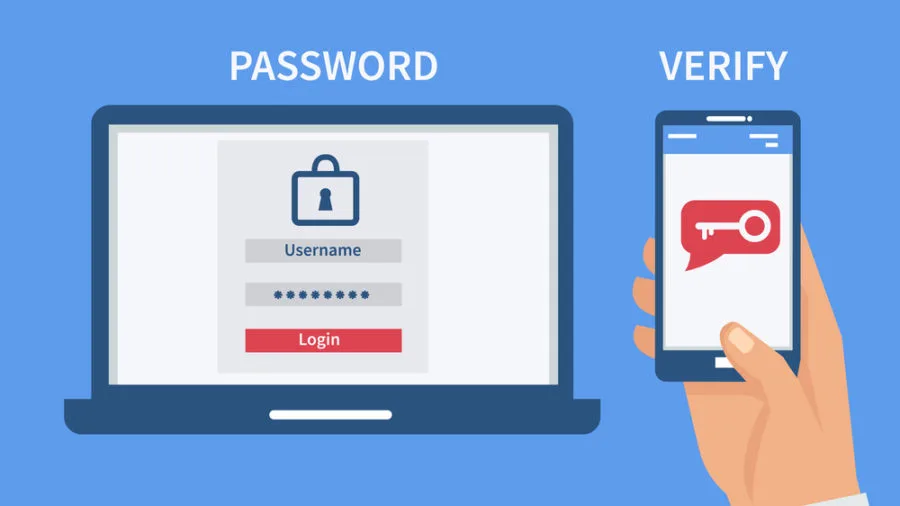
Two-factor authentication (2FA) is a system that makes account access more secure through a multi-factor authentication method. It is based on the "something you know + something you have" principle.

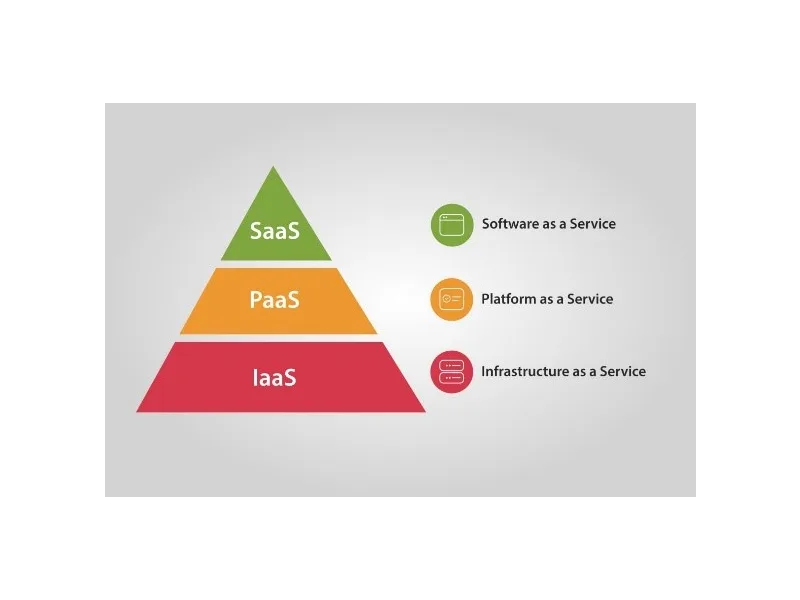
The PaaS model eliminates the need for infrastructure, allowing you to focus solely on application management. IaaS is the fundamental cloud computing service and offers flexibility to system administrators.

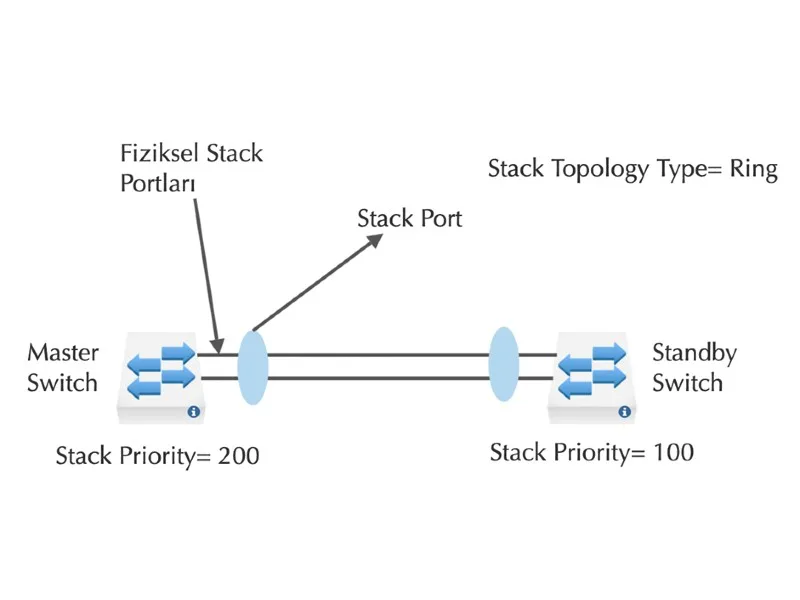
A stack is a network solution consisting of two or more stackable switches. Switches that operate as part of a stack group behave like a single device.

The IEEE 802.1x standard was developed to provide a method for authenticating the identity of devices attempting to access a switch port.

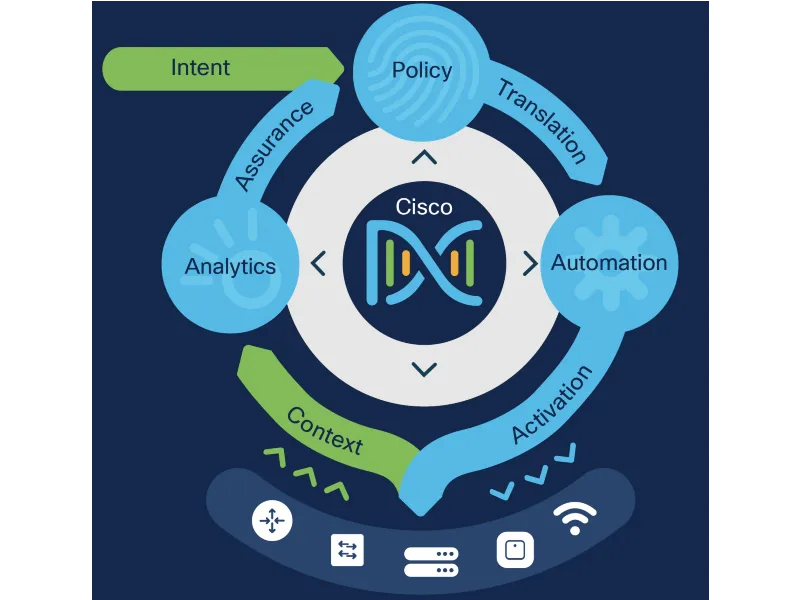
Cisco DNA Center is a complete management and control platform for the network. This single, extensible software platform includes network management, automation, virtualization, analytics and assurance.

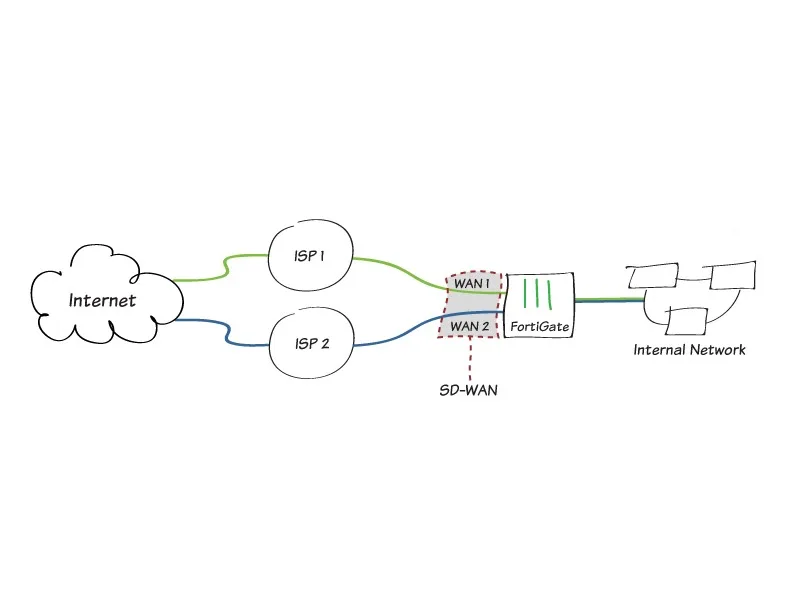
SD-WAN stands for software-defined wide area network. A wide area network is a connection between local area networks (LANs) separated by a significant distance.

Hi! I'm Dato.
Dato is an AI assistant; please verify important details.